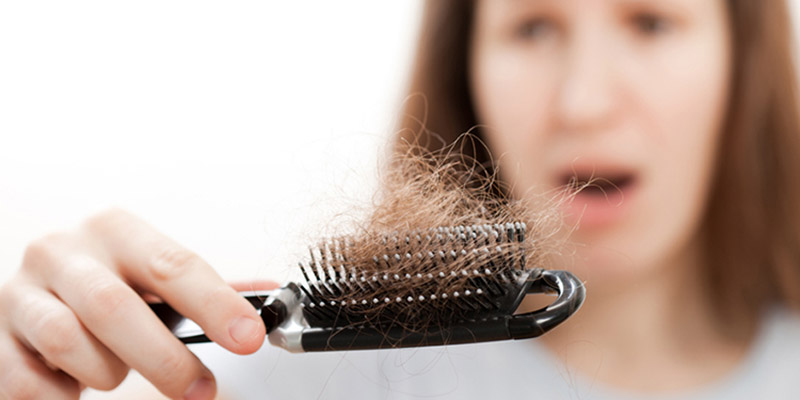
Everywoman, daily, loses at least some of her own hair between 100 and 125 hairs–actually. You’ll notice them in the shower , all over the floor and squeezed into brushes and paints including bath tumbleweeds. Area of the normal growth cycle of a hair involves a shedding point, where in fact the older hair falls out to create room for a new one. But if your face drops into the idea that you notice bald spots or thinning, then you might need to do something quickly to regain your lost hair and keep the hair you have now.
Sudden Thinning
Hair unexpectedly falling from all over your head, especially during times of illness or stress, maybe by telogen effluvium (TE), a state which makes hair rush throughout its normal growth cycle. Physical stressors like sudden weight fluctuations, illness, surgery, hormonal fluctuations from thyroid issues or pregnancy along with some medication may all-cause TE, while psychological frustrations like mental disease and grieving can also activate this condition. A similar type, anagen effluvium (AE), happens when medications such as chemotherapy medication toxin your follicles. Both kinds are temporary, and also around three weeks after your or stress dilemma resolves, you will understand your hair growing in. When you’ve got ongoing physical or emotional stress, make certain that you take the time to deal with your stress in whatever manner is best suited for you, whether that is through meditation, exercise, socializing with family or friends, or professional counselling. Hair thinning refers to minor to moderate hair thinning. Unlike wide spread hair loss, hair thinning doesn’t necessarily cause hair loss. It does, however, give the appearance of slimmer spots of hair on your face. Hair thinning happens gradually, this usually means that you have enough time to nail the causes and figure out the best treatment measures.
Lifestyle habits are a key contributor to hair loss. These include:
Over-treating your own hair. This includes color treatments, perms, relaxers, and much more.
Utilizing harsh hair products, such as extreme-hold hair powders and sprays. Temporary color may be harsh for your hair.
Wearing up your hair too tightly. Whether you’re wearing an updo or pulling up your hair in a pony tail for working outside, this can tug on your own hair and break away it from the follicles, causing thin stains as time passes.
Perhaps not having enough iron, folic acid, along with other nutritional supplements in your dietplan. All of these help follicles produce hair naturally.
Experiencing uncontrolled stress. Stress is connected to an uptick in hormones like cortisol. Too many stress hormones can kill-off fresh hairs which are trying to cultivate from the follicles.
Female Pattern Baldness
Hormonal changes can also create a more permanent type of hair thinning. If you have recently experienced pregnancy, menopause, ovarian tumors or some hysterectomy, or have only begun or stopped taking birth control, you might also undergo female pattern baldness or androgenetic alopecia. This type of hair loss tends to run in families and sometimes appears with no obvious hormonal cause. Unlike the sudden shedding associated with TE, you will notice slow thinning mainly at top and sides of your mind. In androgenetic alopecia, either progesterone and estrogen levels are too low and also the testosterone your body normally produces changes to a parasite that is harmful. Hair follicles will produce progressively thinner hairs, also at time, follicles can cease producing hairs entirely. Your physician might recommend prescription drugs that replace lost hormones or protect against testosterone from changing into dihydrotestosterone (DHT). It is also possible to help block DHT by simply changing to a shampoo that contains Ketoconazole. Over the counter options are low-strength, however, so you may need to speak to your doctor about a stronger prescription shampoo.
Circular Patches or Overall Baldness
Circular bald spots that continue on expanding, or loss all over your head and body, on average means your immune system thinks follicles will be the hottest enemies. This is known as alopecia areata and may disappear completely on its own in a few years or distress you with always re playing cycles of regrowth and shedding. Corticosteroids, in topical, injectable or pill form, are the procedure of choice for this type of loss. A downside of those hair treatments, though, is that they don’t work with everybody.
Ragged or Ringed Patches
Ragged bald stains which bleach or lighten and could show blisters are due to scarring alopecia–that regularly permanently destroys the hair follicles from the patches, aside from approximately the borders, where they can still recover. Early treatment with corticosteroids and other prescribed drugs might only keep bald stains out of becoming larger. Ringed bald patches, on the other hand, suggest athlete’s foot on your scalp, otherwise known as ringworm. You may also be taking a look at a staph or herpes infection, or any other follicle-irritating skin ailment. Compounds and corticosteroids, depending on what your scalp biopsy shows, will clear up your skin problem and let your follicles recover.
For more details check us out on Artius Hair Transplant.

 Veena's Blog